

In today’s edition, we explore why so many people get demonstrations of software, systems and new services badly wrong and how to fix that and get your potential buyers on side. Let’s get to it.
I learned the hard way. It was brutal and also embarrassing, but it was the best way to learn.
I set up and ran an online software business for some 14 years before I exited it. Creating a cloud-based software company in the early start of this century taught me a lot, but one of the most important lessons it taught me was how NOT to do demonstrations.
I remember the conversation well. We had been going as a business for around 4 years and had built up a decent customer base of users. We were asked by an Insurance firm to provide a quote for 14 of their team to access the system to store details of leads that they were trying to do new business with.
The person who contacted us was very nice and polite, and in the initial call, I asked them all of the relevant questions:
What was their biggest issue
What was making them look at a solution
Who else were we competing with
Who would be involved in making the decision, and lots of others.
I did this part of the sales process right.
We had a call, and within that chat, we agreed that the next step would be for me to come and do an online demo of the system with a few members of the team and also one of the Directors. Back in 2009, Zoom and Teams were not available as they are now, and so although we had some tools to do remote calls, many demos were done in person.
I drove to Reading from our offices in Somerset and decided to bring one of my team members with me. I was trying to get others comfortable in doing demonstrations and getting customers on board, and so I said to them, come along and let me show you how it’s done… 😊
Ah, those last famous words.
We arrived on time, got set up with internet access, and then when people came into the room, I proceeded to get on with the demonstration.
The software we had built (which was a CRM and Email Marketing tool) had lots of different functions within it. I was proud that it did so much! It was so clever and could send emails, do automated messages, link forms from websites, and do surveys. The list went on!
For around 30-minutes I went into full presentation mode. I showed them all of the parts of the system that I thought were clever and did tests to show someone entering the system and then being sent an email. I showed them how they could see the email being opened and when it was opened.
All important stuff, right? No. Not to the people viewing my demonstration…
Just after the half-hour mark, one of the Directors put his hand up and said something that I won’t forget to this day.
“Can we look at the parts of the system that we want to use it for? This could be interesting for others, but it’s of no value to us”.
The tone of his voice made it clear that he was frustrated. If I had also shown any emotional intelligence at that stage, I would have also noticed that he was completely bored by what I was talking about… He had been doodling in his book rather than listening to what I was sharing.
It was here that I learned (the hard way, and in front of a member of my team) which made the journey home embarrassing. Remember I had told them to come along and ‘see how it was done’. 🤦
I did carry on with the demo, but I never really recovered from it. I was taken aback and then just waffled through elements of what they had wanted to see, and I knew when we left the meeting after an hour, I had f*****d it up!
I learned a hard lesson (but a good one) that day.
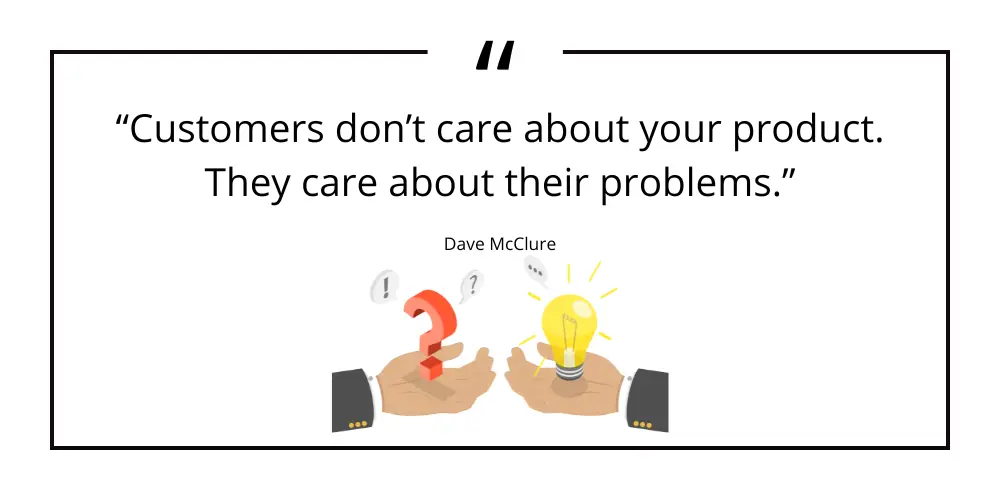
When doing a demonstration, don’t focus on what YOU think is important. Find out what your prospective buyer wants to see before you go headlong into doing a pitch or a demonstration.
I learned after this mistake about a great quote from the writer and philosopher Chesterton, which everyone should consider when it comes to this type of meeting:
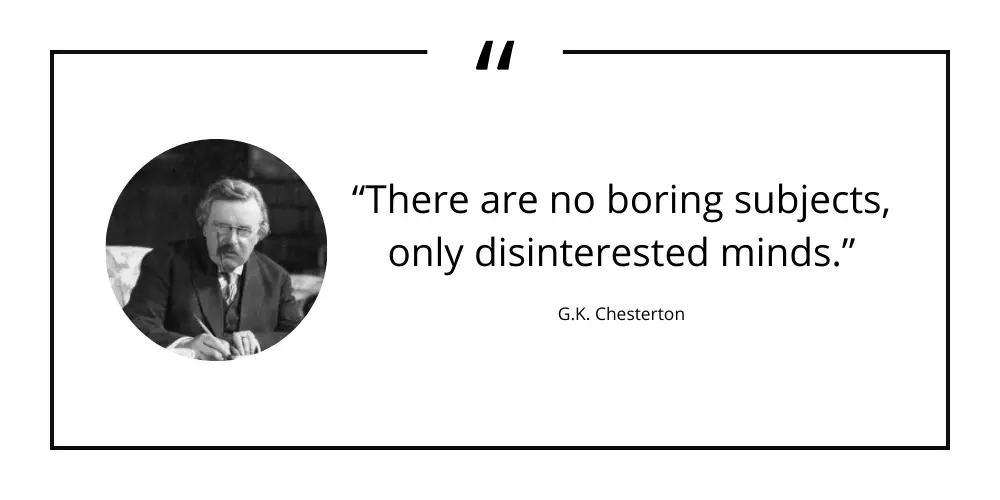
I had just assumed that the prospect would want to know everything about what we offered. How wrong I was.
If I had only asked 3 simple questions, 2 before the demo and 1 at the start of the demo, the pain of losing a deal and being embarrassed could have been avoided!
Question 1: Asked before the demo
So when you get any form of demonstration or outline of your system agreed by a buyer, ask this:
“I am looking forward to sharing more about our system/platform/service when we meet. What would be the top 2-3 areas that you would like us to cover within the demo that would make it a valuable use of your time?”
When they say x, y and z, (if you can) follow up and ask, “Just for us to understand more, what makes these particular areas so important for you?”
By asking this, you can find out what really matters to the buyer and then focus your time and effort on covering these areas in your demo.
Question 2: Also asked before the demo
“In order for us to tailor the demonstration, who will be attending from your side, and what roles do they have within the business? What in particular will they be looking for from the demonstration in relation to their job role, and what part do they play in your decision-making process?”
By asking this question, you can find out who is going to be in the room and what they are looking for from the demonstration. This is important as Finance is going to have a different perspective from someone in sales or marketing. If you have too many different role types in the room, don’t be afraid to create 2 separate meetings. Otherwise, you run the risk of trying to do too much in one meeting and achieving nothing. When you do know, you can plan to cover elements that each separate role will find helpful.
Question 3: Asked when you are in the meeting and about to start the demo
“When we spoke, you mentioned that the key things you wanted to cover in today’s demonstration are x, y and z. Are these still the key aspects that you would like to cover? If we put aside 5 minutes for each area to start with, does that work for you?”
Asking this question reconfirms that you listened in the first place (good for building trust!) and shows that you value their time and are flexible in case things have changed. Sometimes they do and the very best salespeople can adapt when circumstances change.
Once you have the answers to these questions, carry on with your demonstration, but remind yourself to check in every few minutes.
Are those in attendance actively involved in what you are showing them?
Are they asking questions or querying how part of your system or service works?
Are they zoning out by doodling/looking at their phone, or are they fully committed to listening and engaging with you?
If you are losing the audience, don’t be afraid to pause and say, “I want to ensure what we are covering today is giving you the insights you need. How useful is the information that we are sharing right now?”
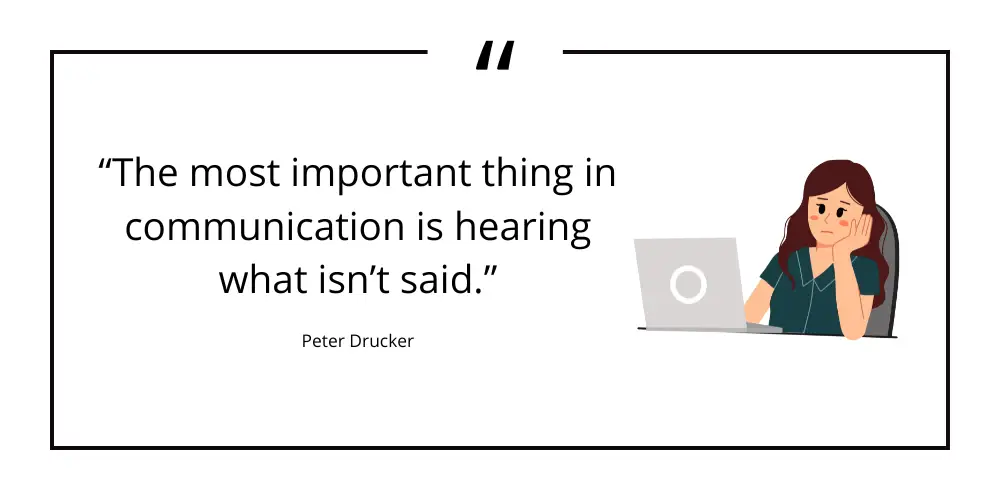
Listen to the reaction and responses. Look for strong, positive reinforcements of what you are sharing and interaction.
Remember Chesterton….
Demonstrations of any kind are a great way to outline to any buyer what you do, and it is a positive step in the sales journey. It says that the company ‘THINKS’ you are a credible option and wants some further information to prove that it can work for them.
Don’t do what I did back in 2009 and proceed to talk AT people about what you think is right for them. Ask the right questions, pay attention to how people are reacting, and you can ensure that when you get this chance, you don’t make the same mistake as I did!
Is this a useful insight for you?
Does this cover a challenging sales situation you have had?
If not, then what sales question or area would you like me to cover in a future newsletter?
Let me know. I read all replies, even if I don’t have time to reply to them all.
Thanks as ever for being part of my community.
Have a brilliant sales week ahead and remember: Eat or be Eaten